

CLOSED-LOOP FARMING MODEL
A fully integrated, modern and synchronized livestock system
VACA MAXI Farm, located in Tan Linh, Ba Vi, Hanoi, is developed on a 39-hectare master-planned area following a fully closed-loop and self-sufficient model.
Our system includes:
- Standardized livestock barns
- Dedicated feed processing facility
- High-tech embryo production center
- Office area, service yard, and ecological landscape zone
- Extensive grass fields ensuring a consistent supply of natural green feed

The farm is professionally invested and engineered to operate as a complete closed-loop system — from breed selection, feed production, and animal care to environmental management and product distribution.
OUR TEAM OF EXPERTS
The farm is designed and operated under the supervision of leading biological specialists from Argentina — experts with many years of experience in:
Biotechnology & embryology; genetics – breeding – cloning; animal nutrition and health; technology transfer and training for the local team.
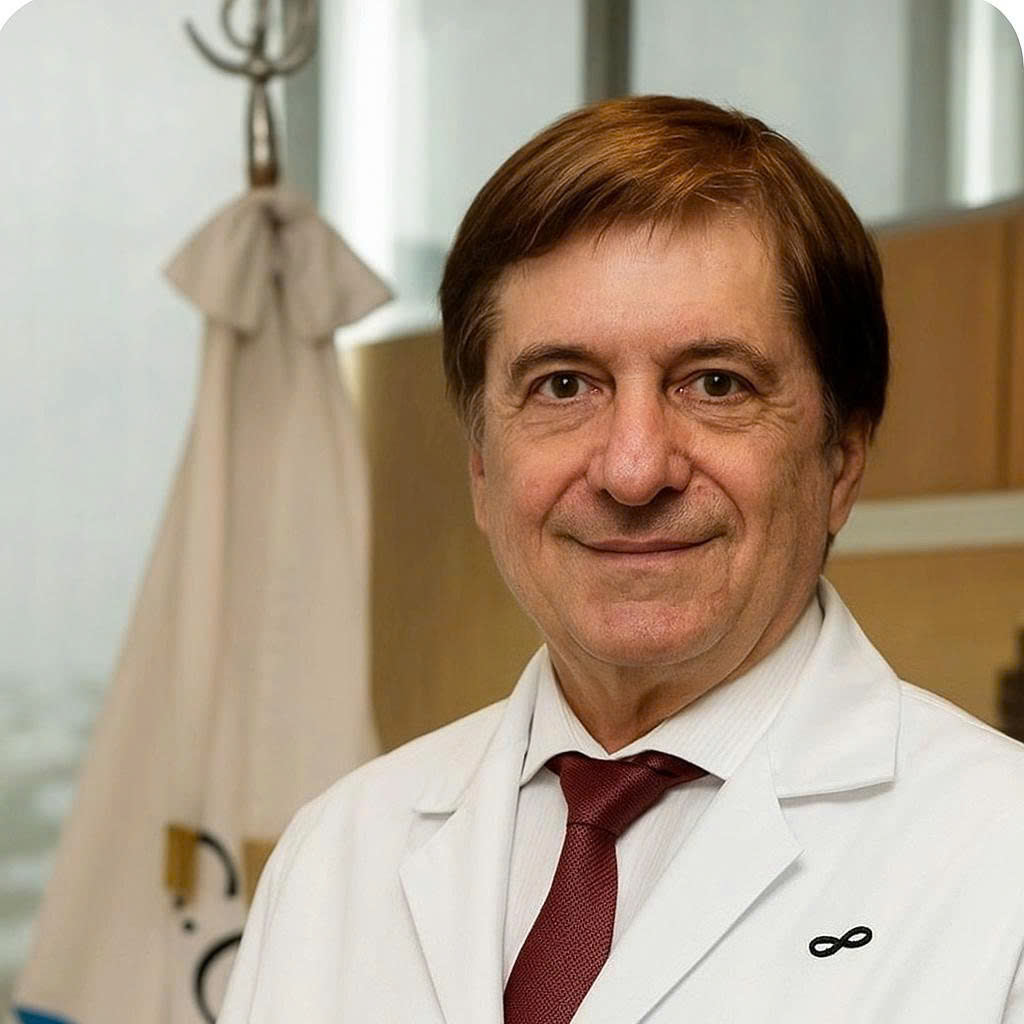
Dr. Daniel Salamone
Project Director – VACA MAXI
A pioneer renowned for groundbreaking contributions in animal cloning and biotechnology.
Dr. Salamone graduated in Veterinary Medicine from the University of Buenos Aires (UBA). He later obtained a Master’s degree from the University of Saskatchewan (Canada) and a PhD in Biotechnology & Biomedical Sciences from the University of Massachusetts (USA).
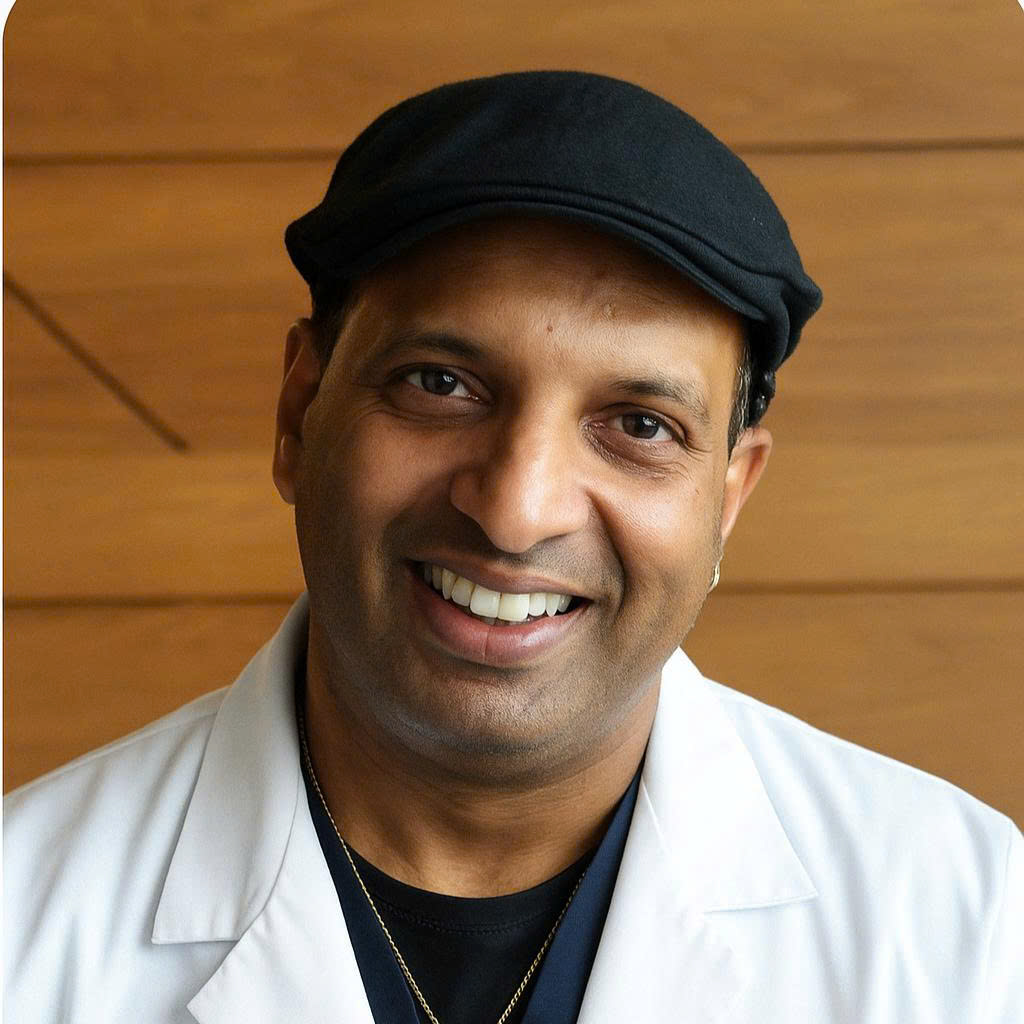
Dr. Rajneesh Verma
Stem Cell & Embryology Scientist
A leading expert in in-vitro embryo production, including cloning, in-vitro fertilization (IVF), intracytoplasmic sperm injection (ICSI), and related advanced technologies.
He played a crucial role in creating the first genetically modified animals in Argentina for xenotransplantation (organ transplant across species).
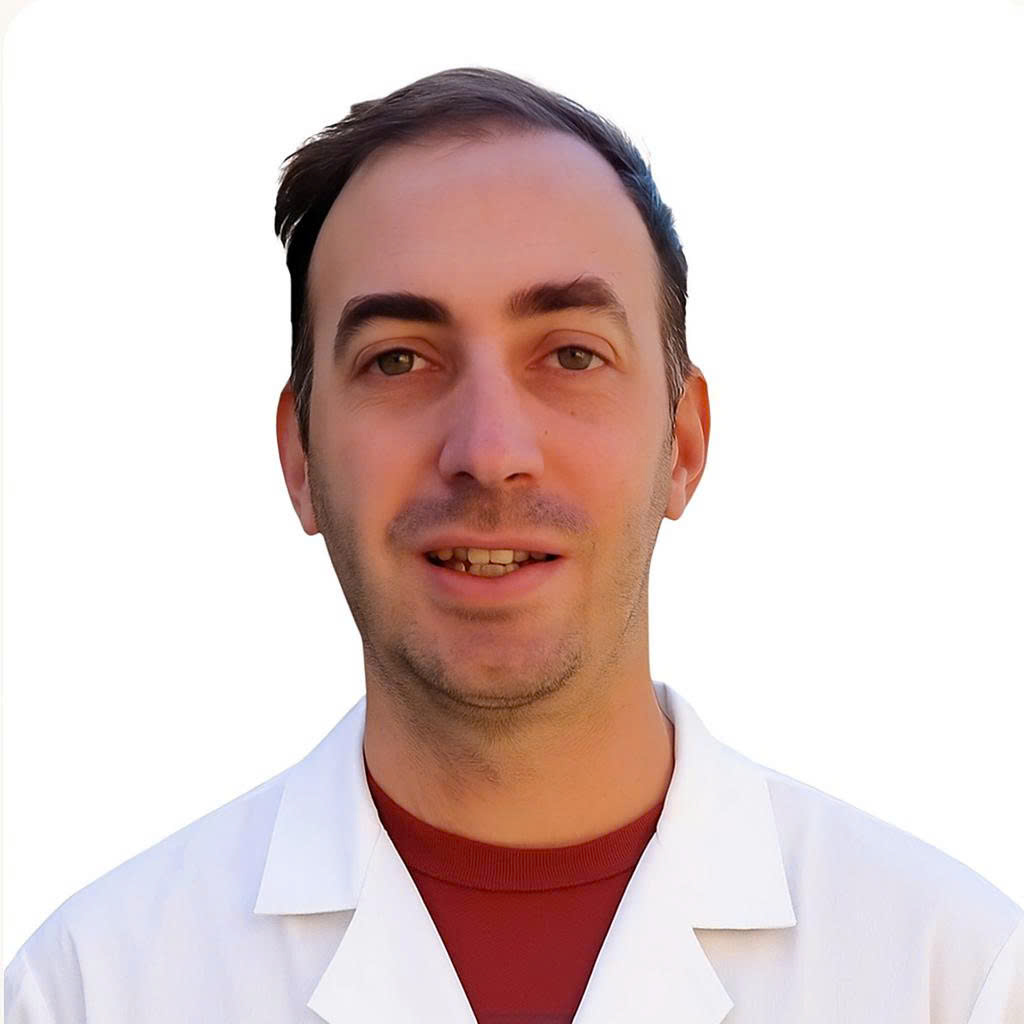
Dr. Federico Allegroni
Project Scientist – Veterinary Doctory
A leading expert in in-vitro embryo production, including cloning, in-vitro fertilization (IVF), intracytoplasmic sperm injection (ICSI), and related reproductive biotechnologies.
He played a key role in creating Argentina’s first genetically modified animals for xenotransplantation purposes.
Together with Dr. Daniel Salamone, he contributed to producing the first cloned cows and horses in Argentina — a milestone in the nation’s animal biotechnology development.
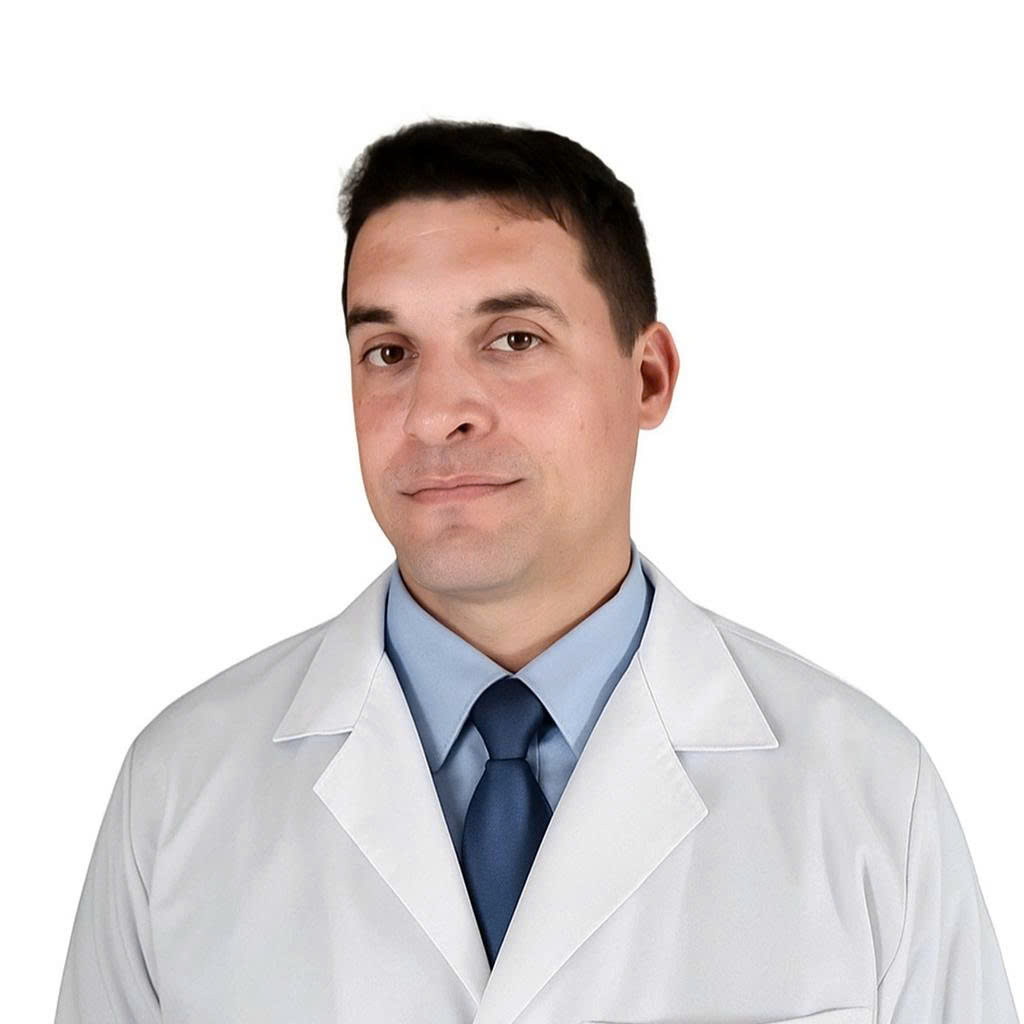
Dr. Nicholas Farnetano
Veterinarian
A specialist in animal reproduction with extensive experience in embryo transfer, reproductive synchronization, and ovum pick-up (OPU).
He worked for many years with Dr. Carlos Munar at Argentina’s largest cattle reproduction company, participating in groundbreaking scientific and commercial projects in the livestock sector.
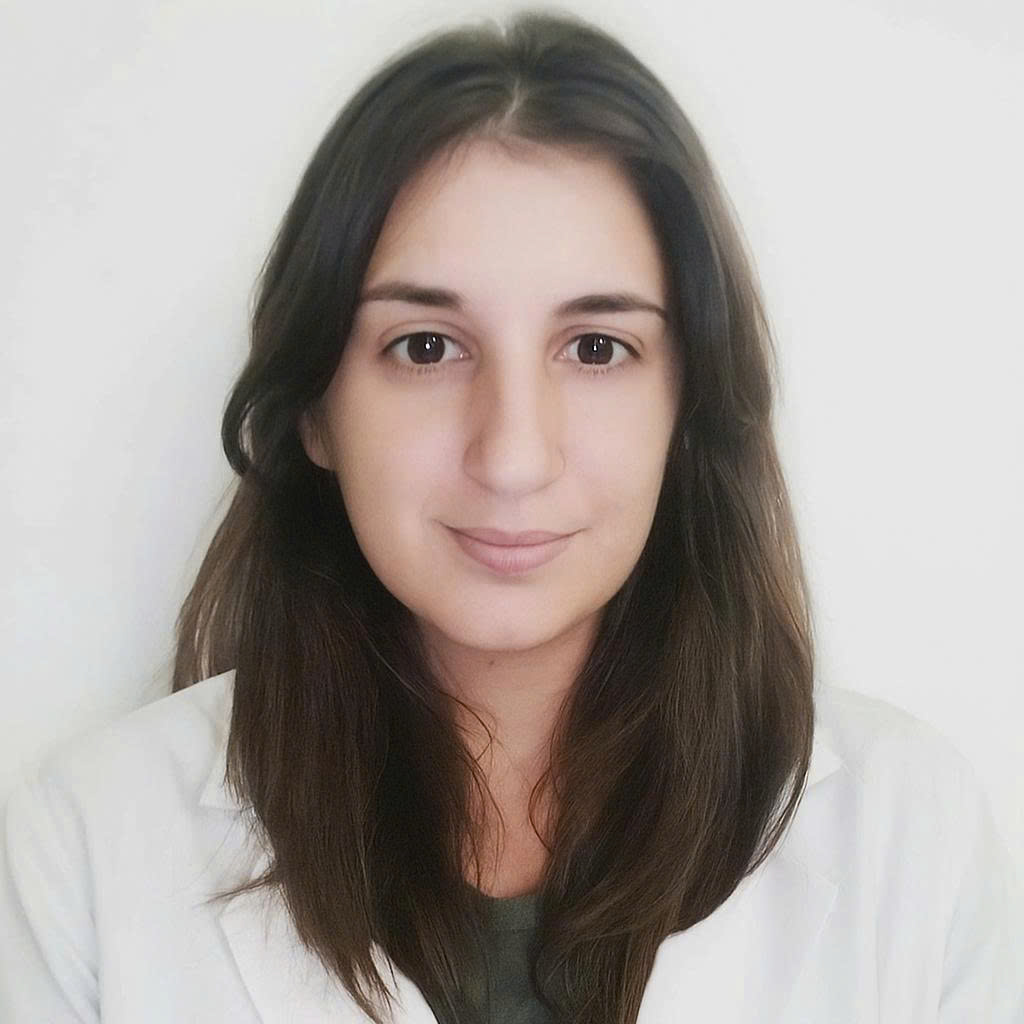
Dr. Victoria Amusquibar
Veterinarian
Lecturer at the Faculty of Veterinary Sciences, University of Buenos Aires (UBA), and an expert in cattle health and reproductive management.
She has collaborated with Dr. Miragaya on embryo transfer projects in both cattle and camels, and has presented research at prestigious international scientific conferences.
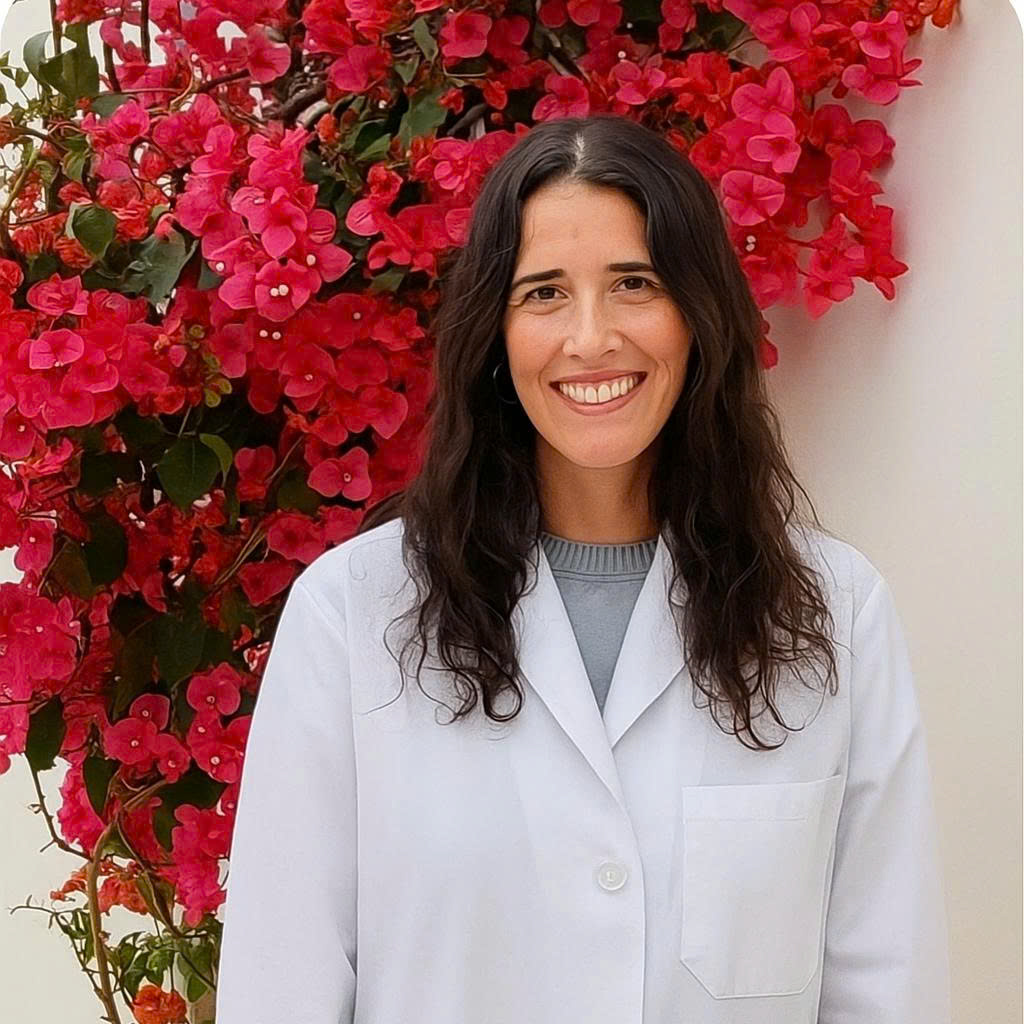
Dr. Verónica Gorleri
Biologist & Embryology Specialist
An expert in in-vitro fertilization and molecular biology.
She pioneered the development of the first tetraploid bovine embryos in Argentina, opening new directions for both conservation and commercial applications.
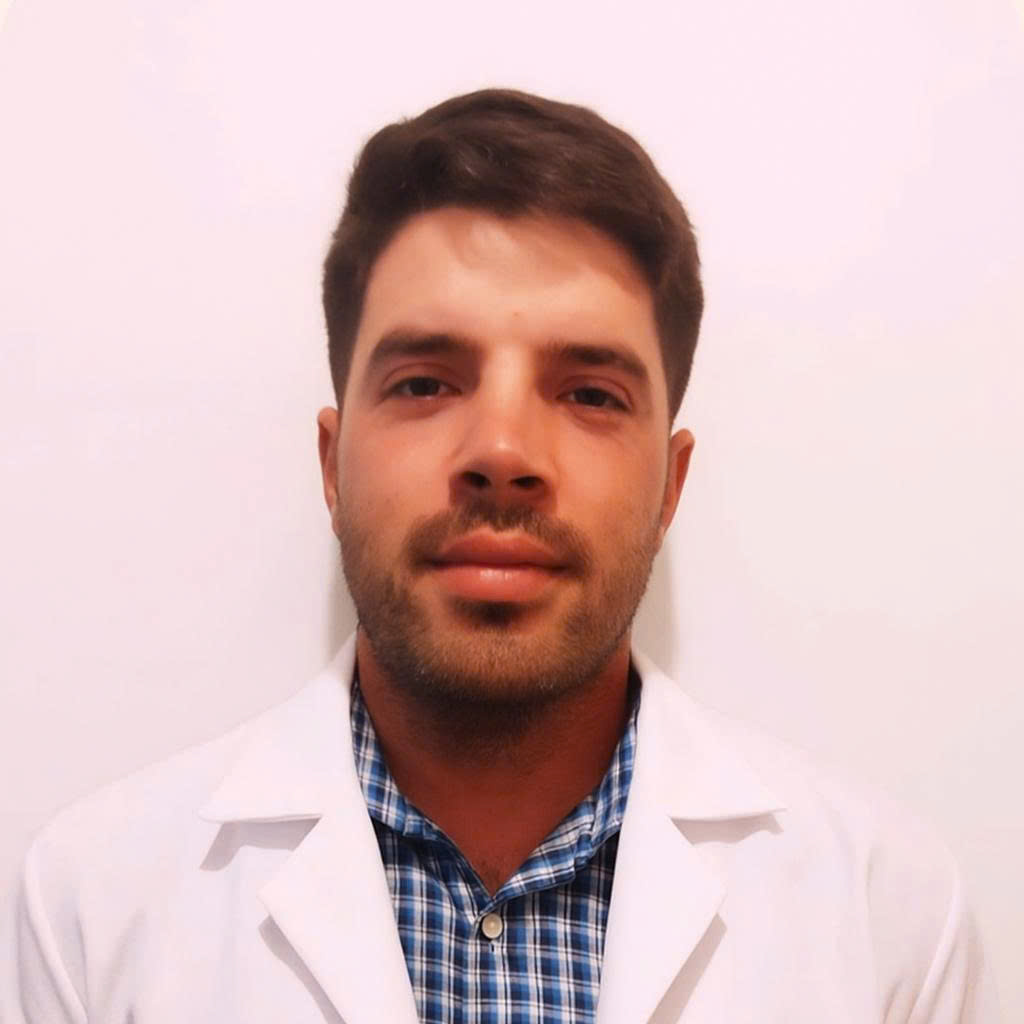
Dr. Juan Manuel Álvarez
Veterinarian
A specialist in animal health, livestock management, and herd optimization.
He is currently the Head of the Veterinary Hospital at the University of Buenos Aires, contributing simultaneously to academic research and strategic consulting for major livestock enterprises.
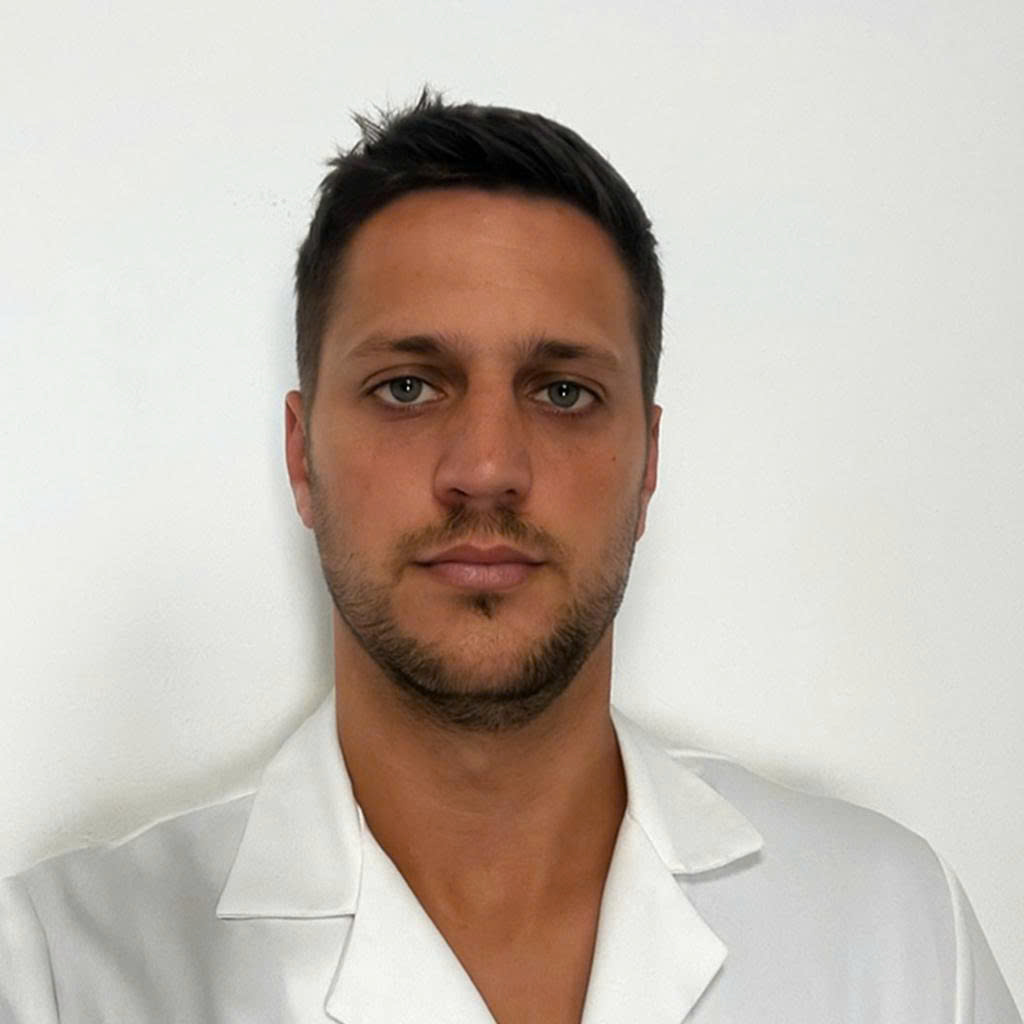
Dr. Martín Romeo
Veterinarian
A leading expert in animal nutrition and meat quality.
He has worked at the Department of Animal Nutrition at UBA alongside Dr. Verónica De Luca, taught numerous courses on cattle nutrition, and served as Director of the prestigious “Meat Sommelier” Training School at the University of Buenos Aires.
These specialists not only act as advisors but also participate directly in operations, audits, and capacity building for the Vietnamese team.

Their expertise covers animal nutrition, cattle health, reproductive management, and meat quality.
They oversee the entire production chain from pregnancy diagnosis and reproductive planning to fattening and finishing stages.
Recognized globally and influential across Argentina’s livestock industry, they continuously provide consultancy and transfer advanced technologies to countries with modern cattle farming systems.
SPECIALIZED CARE & NUTRITION PROGRAMING
Every individual cattle at VACA MAXI is raised under a tailored care and nutrition regimen optimized according to breed characteristics and each developmental stage.

- All feed is produced on-site with strictly controlled formulations.We do not use banned substances or growth-promoting antibiotics.
- Feeding routines, health monitoring, and environmental management are automated and programmatically controlled, minimizing risks and enhancing uniformity across the herd.
- Our veterinary team and trained technicians supervise each cattle group closely, ensuring strong health, optimal growth, and premium meat quality.
BIOTECHNOLOGY
VACA MAXI pioneers the application of advanced biotechnology solutions in cattle reproduction and nationwide livestock development.

Biotechnology – The Foundation of Uniformity and Excellence
AI (Artificial Insemination) – Common but Limited
In modern livestock farming, Artificial Insemination (AI) is widely used to introduce sperm into cows without natural mating.
It is a step forward compared to traditional breeding, enabling better control over timing and breed selection.
However, AI still presents several limitations:
- Requires hormonal synchronization of the estrous cycle
- Cannot determine calf sex in advance
- Dependent on sperm quality and technician skill
- No comprehensive control over genetics or neonatal health
IVF – The Solution Chosen by VACA MAXI
IVF (In-vitro Fertilization): Producing high-quality bovine embryos in a controlled laboratory environment At VACA MAXI, we do not stop at “successful breeding.”
We take control from the very beginning — at the embryo level — ensuring quality is guaranteed at the root.
IVF (In Vitro Fertilization) — commonly known as in-vitro embryo production — allows eggs and sperm to be combined in a laboratory environment to create healthy embryos that are screened, selected, and genetically tested before being transferred into surrogate cows.


Advantages of IVF
- Ability to select calf sex directly from the embryo
- DNA testing to eliminate undesirable genes and identify high-potential individuals
- Full control of embryo transfer timing to match herd planning
- Higher pregnancy rates and improved herd uniformity
- Separation of surrogate cows and high-value genetic donors for optimal economic efficiency

Why We Choose IVF
IVF is not the easy path.
It requires significant investment, specialized equipment, and a highly skilled technical team.
But for VACA MAXI, it is the necessary path the only way to create a herd that is uniform, healthy, and high-performance, supporting our fully integrated ecosystem from breeding to farming, processing, and commercial distribution.
Sex-Selected Embryo Development Strategy
Two strategic development directions

1. Embryo Transfer into Surrogate Cows to Create Breeding Females
Building a herd of high-quality reproductive cows with superior genetic traits to enhance fertility performance.
Target groups:
Household farmers, small and medium-scale cattle farms.
Benefits:
- Produces a new generation of mother cows with outstanding genetic advantages, increasing the number of high-quality calves.
- Supplies the market with premium replacement heifers, ensuring a sustainable production chain.
- Helps farmers increase economic value through selling high-quality calves or expanding their breeding herd.

2. Embryo Transfer into Male-Calf Lines to Develop Premium Beef Cattle
Producing beef cattle with rapid growth rates and superior meat quality that meet international standards.
Target groups:
Large-scale beef cattle farms, cooperatives, and meat processing enterprises.
Benefits:
- Creates herds of fast-growing male cattle with high carcass yield, ideal for short-cycle meat production.
- Meets the rising market demand for premium beef and opens opportunities for export.
- Maximizes the efficiency of our specialized feeding program to enhance meat quality and overall farm productivity.